
April is cesarean awareness month, also known as C-section awareness month, so let’s shed some light on a very common birth option particularly in the western world. I want to empower you mama’s out there to know before they cut, and make an informed decision about the kind of childbirth experience you hope to have.
You might be wondering, what is a C-Section?
Well to put it simply, it’s a surgical procedure where a baby is born through an incision made in your abdomen just below your bikini line. To be clear it is a major abdominal surgery that requires significant recovery time, minimum six weeks for your incision to heal, and roughly three months to be up to regular physical activity.
Now that you know what a C-Section is, your next question is probably, what might cause me to have a C-Section?
It can be a number of things, some might be beyond your control, but there are some ways you can prepare yourself to avoid a c-section if you wish to do so, but more on that in just a little bit.
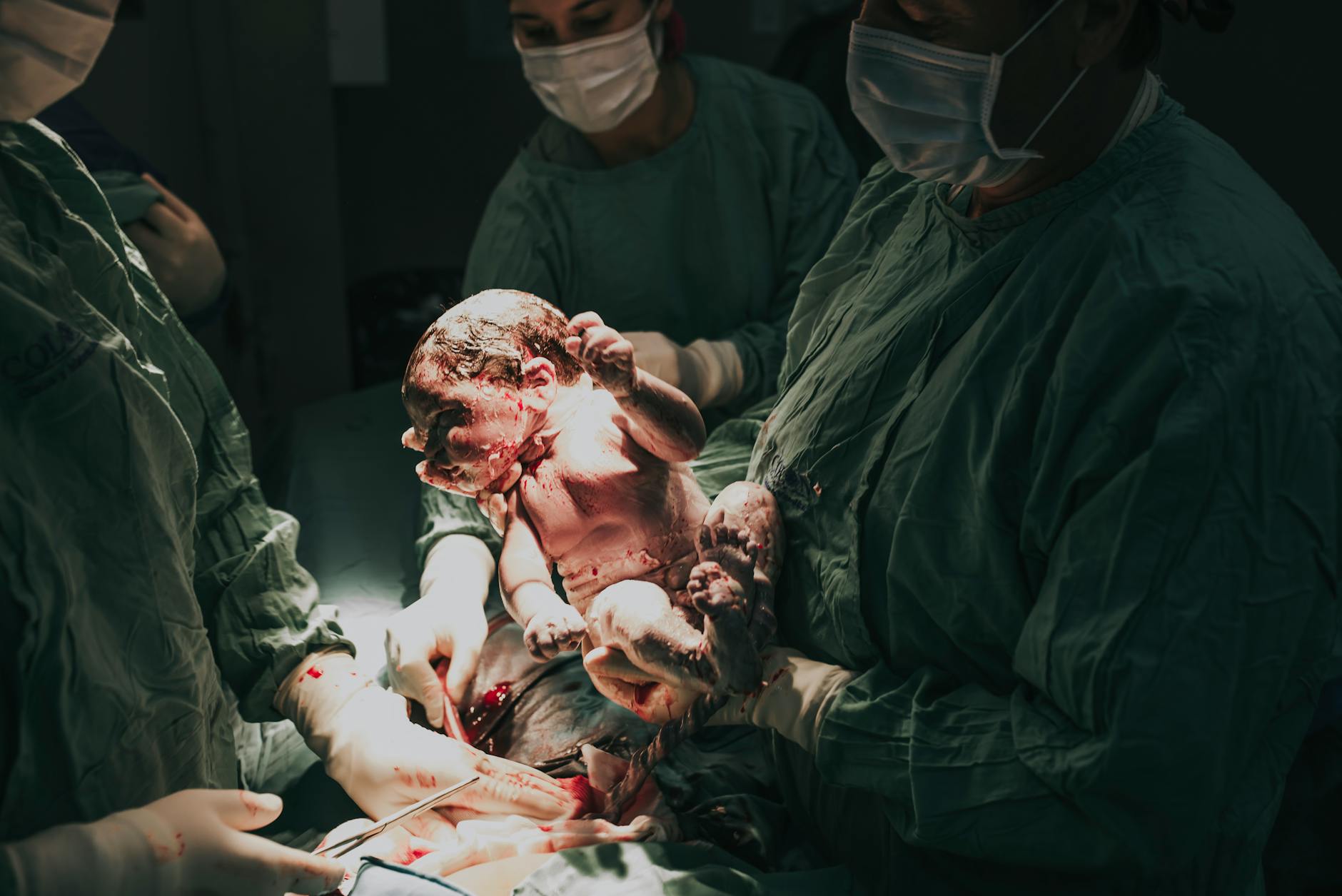
- Labor isn’t progressing: this is the most common reason, where you’ve experienced prolonged dilation of cervix opening, or prolonged time pushing after you’ve reached full dilation.
- Baby is breech: when a baby’s feet or butt enter the birth canal first.
- Baby is in distress: concerns about your baby’s heart rate.
- Multiple babies: if you’re carrying two or more babies.
- Baby’s size: the larger the baby usually around 9-10+lbs can require a C-section.
- Placenta previa: when the the placenta covers the opening of the cervix
- Umbilical cord prolapse: where the umbilical cord slips through the cervix in front of the baby.
- Maternal health issue: if you’re experiencing high blood pressure, a heart condition, preeclampsia or gestational diabetes to name a few a cesarean might be required.
- Pelvic issues: the shape of your pelvis might pose a problem. There is some truth to having what some women call birthing hips believe it or not.
- Repeat cesarean: you can always try for a vaginal birth (VBAC) after one or even two C-sections, but you would definitely need to check with your care provider to see if they offer VBAC as an option and to see if you would be a good candidate.
This may seem a little discouraging, especially if you’re hoping to have a natural birth, but there is good news, the most common of these instances like labor progression, breech baby and pelvic issues you can avoid with a little help.
How to avoid a C-section
- Hire a Doula: if it’s within your budget it can be extremely helpful having a trained labor support person in the room to be your advocate with your doctors and nursing staff. They also provide physical and emotional support for you and even your partner.
- Know the C-section rates of your hospital and your care provider: their average should be lower than the national average and in the US that’s nearly 33%, and if you’re a minority or person of color that stat is even higher at nearly 37%. Preferably they should be in the teens or low 20th percentile, if they are not within that range you should consider looking elsewhere, especially if a natural birth is your goal.
- Fitness and exercise: consult with your doctor before starting a new routine, but taking prenatal yoga classes, pilates, or walking consistently are great ways to support weight management, prepare your body for birth and reduce the likelihood you will have a c-section. Also, consider visiting a chiropractor and/or a massage therapist, they are another helpful healthy resource for you to prepare your body for birth, and prevent prolonged labor and pelvic issues.
- Use interventions wisely: don’t rush to an induction. If you’re a low-risk pregnancy you have options. Depending upon your care provider you can wait up to 41-42 weeks past your due date before an induction is necessary. Epidurals, hold off as long as you can because they can stall labor. At least wait until you’re in active labor and/or 5-6cm dilated. Prenatal yoga and a doula are great in helping you manage pain during labor.
- Be flexible: sometimes despite all your best efforts a c-section is the end result, try not to dwell on the disappointment and embrace the moment of meeting your little one, and have your back-up plan for the kind of c-section experience you would want handy.
You probably only thought there was one way to have a C-section, well I’m here to tell you there are still choices and opportunities for you to make a C-section birth just as empowering and joyous as a natural birth.
Tips for a positive C-Section
- Maternal assist: if you’re not squeamish, find out if your care provider will allow you to aid in pulling your baby out of your womb. It’s a more interactive experience that more hospitals are starting to provide.
- Delayed cord clamping: increase your baby’s iron stores by requesting to delay clamping of the umbilical cord by at least five minutes. Most hospitals do this anyway, but it is always good to double check and confirm.
- Instant skin-to-skin: if both you and baby are safe you can request for immediate contact, and in some cases have your baby with you while you’re being stitched up. The first hour of birth is an amazing bonding moment with you and your baby, so see if this is something that’s available to you.
- Bring your own music: set the mood for yourself and make this surgical procedure a more calming experience. Ask your care provider if you can bring your own speaker and have your own music playing in the background as your baby comes into the world.
- Lower the curtain: if maternal assist is too much or not allowed, you can ask that the curtain be lowered so you can see your baby being born.
You won’t know unless you ask, so learn all of your options ahead of time and choose what’s right for you and your baby. I’ll tell you now, I wish I knew to ask these things the first time around, but you live, you learn, and you share what you know with others, so they can make informed decisions.
Whether you’re aiming for a natural birth or not, do your homework and have open communication with your OBGYN or midwife so you can have your plan A, B & C at the ready ensuring whatever birth experience comes your way it’s a positive and beautiful one.
 Zen Mama