
What is a VBAC?
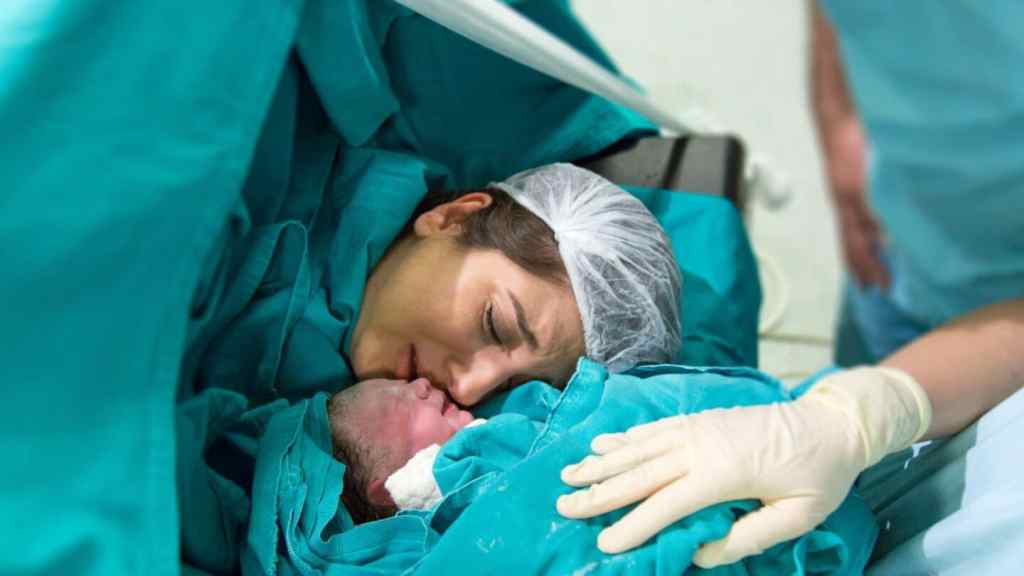
It’s having a Vaginal Birth After Cesarean. So, if you’re someone who previously had a C-Section and would like to try for a natural delivery, a successful VBAC is your goal, although a happy, healthy baby is the ultimate of goals. Speaking from personal experience I had a very traumatic birth story with a C-Section for my first pregnancy, so I was adamant about pursuing a natural birth the second time around. I had a very successful VBAC, which is why I’m passionate about helping other moms make the best choice for themselves whatever that looks like.
Why choose a VBAC?
The choice was simple for me, I didn’t want to have another major abdominal surgery with a long recovery time. Although everyone is different, my recovery with a C-Section took about 12 weeks before I was back to normal activity, and I also struggled with diastasis recti postpartum, which took me a solid year to recover from and rebuild my abdominal strength. There is a common misconception that VBACs are too risky, but with an 80% success rate and the reduced risk of infection it was a no brainer to at least try.
Who makes a good candidate for a VBAC
Did you know nearly 90% of women are good candidates for a VBAC? Even with the high percentage of good candidacy there are a couple of factors that go into considering a VBAC as a viable option that you need to be aware of.
- Do your homework! Speak with your OBGYN to find out why a C-Section was necessary for you and that you don’t currently have the same condition. If it was circumstances that you can possibly control or manipulate to prevent in the future like a breech baby, pelvic misalignment or even having a healthy weight, those are good signs you’re a great candidate, unlike those who have preeclampsia, diabetes, high blood pressure, or experienced stalled labor previously adds another layer of complications and increased risks. As long as you have a low risk, uncomplicated pregnancy you should be good to go.
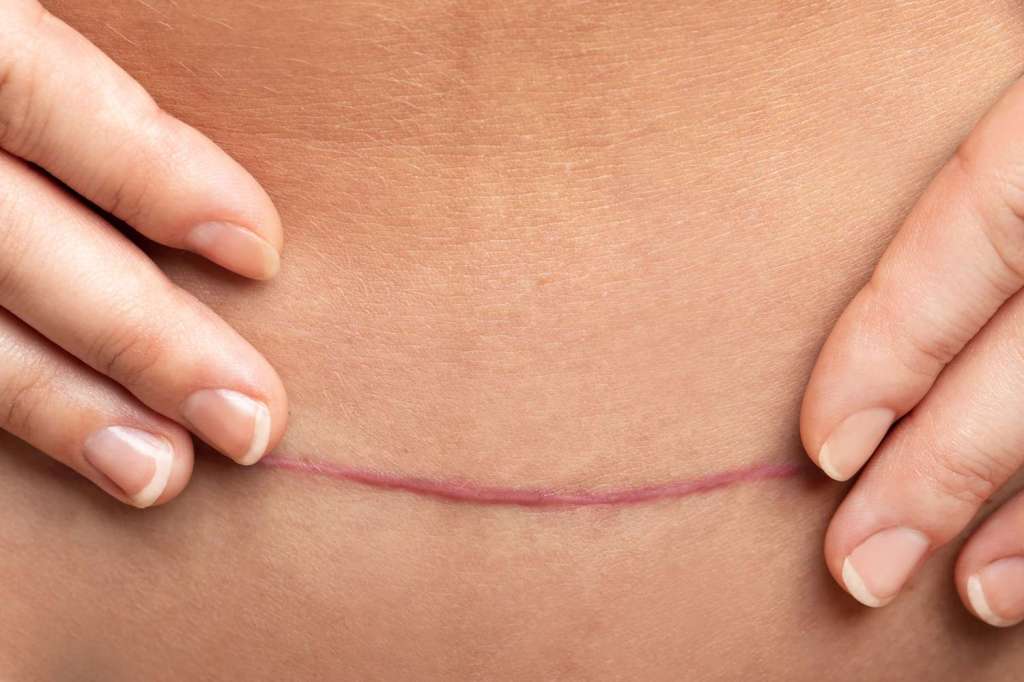
- Checkout your incision. If you have a low transverse (horizontal) incision right at the edge of your bikini line, you should be a good candidate for a VBAC. If you have a vertical incision it’s definitely not recommended at the risk of a uterine rupture.
- Keep in mind when you had your last C-Section. The expression “timing is everything” still holds true. Ideally you want to have at least 18 months between your last C-Section and you definitely shouldn’t have more than 2 previous incisions when considering a VBAC.
What you need for a successful VBAC
- A supportive medical staff. Find care providers who support your VBAC goal and actually offer it. You will find many OBGYNs who shy away from providing their patients with this opportunity. If you’re passionate about a VBAC, but that means changing your care providers, do it sooner rather than later, so you can build that relationship with your new care team. I made the switch while 3 months pregnant, in favor of a midwife that was also connected to an OBGYN. It was the best decision I ever made.
- Have a supportive team. Hopefully you’ve had the conversation with your partner and your family, and that they are behind you and your choice. You will need all of the love, encouragement and positivity surrounding you during this time. So, know who’s in your corner and lean on them.
- Prepare your mind and body for labor. Research and find all available resources at your disposal.

- – If it’s within your budget, hire a doula. A doula will add to your support team as both a physical and emotional guide during pregnancy and postpartum.
- – Practice prenatal yoga. Yoga will help prepare you for labor and delivery by teaching you breath technique, build strength, work on your pelvic alignment and help with weight management. It’s a full spectrum wellness guide that lays the groundwork for a calm mind and a strong vibe alleviating stress and anxiety about your pending birth experience.
- – Visit a chiropractor. A chiropractor will further support your hip alignment and provide relief if you’re experiencing any pain beyond normal aches and discomfort.
- – Pamper yourself. If you can get a prenatal massage, it’s another fantastic way to unwind, relax your muscles and take away stress.
- Look for success stories. Hear from other moms who’ve had positive experiences. Join Facebook groups and listen to their stories and fill your well with a treasure trove of confidence and bravery.
People, especially medical professionals make VBACs seem like Mount Everest, but it doesn’t have to be because it is actually more common than you think. Sometimes it feels like you can’t control everything about your pregnancy and there is some truth to that, but take advantage of what you can by knowing all of your options and choosing what is best for you and your baby.
With love & gratitude,
Diona
Disclaimer: I am not a medical professional, but a registered prenatal/postnatal yoga instructor with a speciality in VBAC support and advocacy. For more information, tips or resources please follow YogabyDiona on Facebook or Instagram. If you would like to have a private consultation with me and learn more about how prenatal yoga can benefit you feel free to contact me below or reach out through Instagram or Facebook.
 Zen Mama